
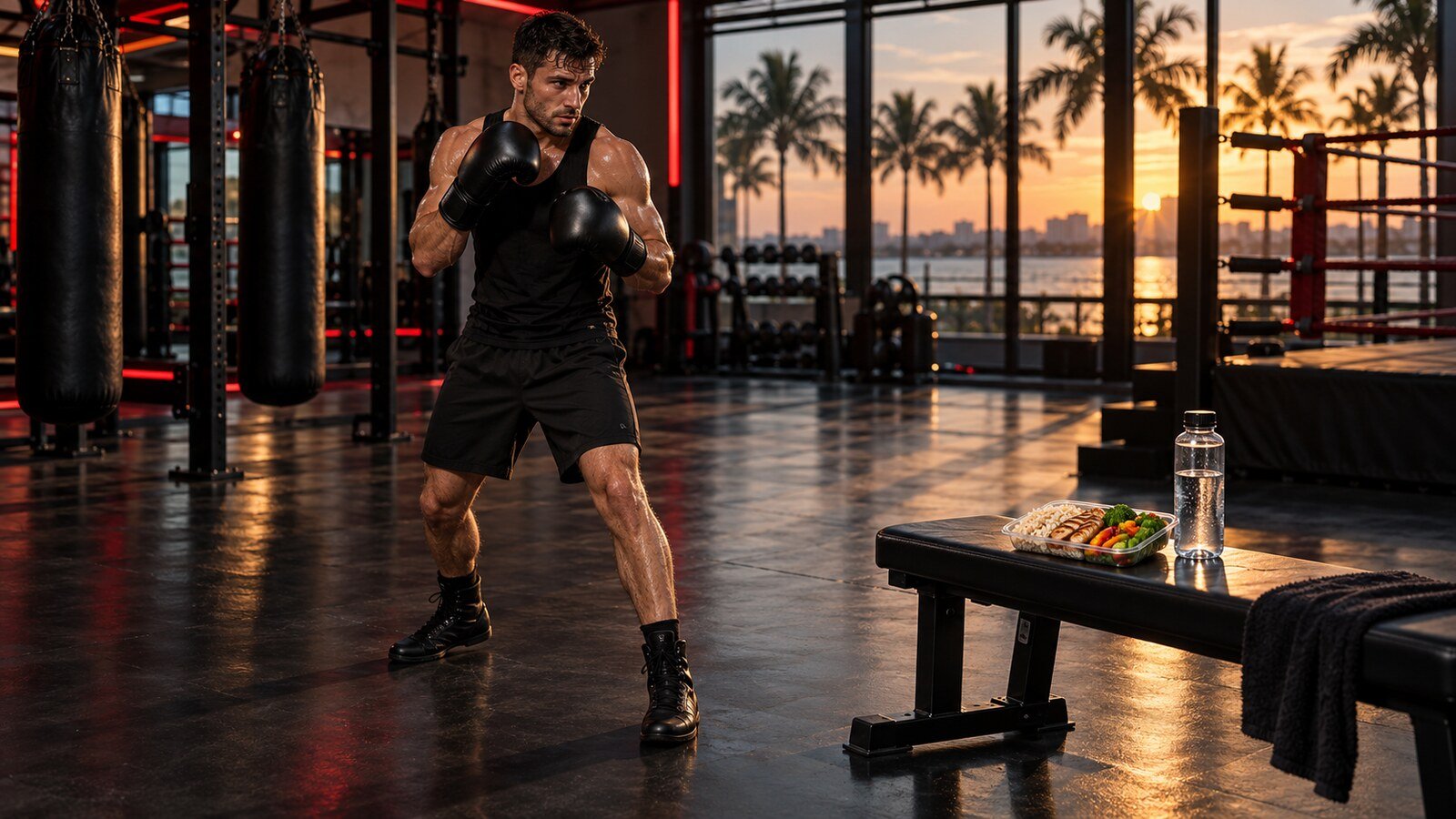
Quick answer: build a normal meal, not a recovery spectacle
After an evening boxing class, dinner can be simple: include a protein food, a carbohydrate food, fruit or vegetables, and fluid. That might be chicken, rice, mixed vegetables, and water; eggs, potatoes, spinach, and fruit; or beans, tortillas, salsa, and yogurt. The exact portions depend on body size, hunger, training load, goals, health, and what you tolerate. You do not need a branded recovery product to make the meal useful.
Eat soon enough that bedtime does not become a second workout. If a full plate feels heavy immediately after class, start with a smaller meal or snack and finish dinner when appetite returns. Replace fluid gradually rather than forcing a huge amount at once. This guide is general education, not a medical meal plan. Diabetes, kidney or heart conditions, gastrointestinal disease, allergies, pregnancy, medications, weight concerns, or a history of disordered eating require individualized advice from qualified professionals.
Why the late class creates decision fatigue
You leave the gym warm, tired, and proud of finishing. The drive home is filled with easy extremes: order everything because the session felt hard, or eat almost nothing because it is late. Neither choice listens well to the body or the next day. The problem is often not nutrition knowledge. It is that no decision was prepared before the gloves went on.
Choose the dinner framework earlier. Put cooked rice, potatoes, pasta, or bread where it is easy to use. Keep one protein ready. Wash produce or choose frozen vegetables. Fill a bottle before class. Then the post-training job becomes assembly, not negotiation. A reliable meal lowers friction and supports the next session better than chasing a perfect recipe. Pair this plan with the beginner pre-boxing fuel guide so dinner is not forced to repair an entire underfed day.
The four-part recovery plate
First, choose protein: poultry, fish, eggs, lean meat, tofu, beans, lentils, Greek yogurt, cottage cheese, or another appropriate option. Second, choose carbohydrate: rice, potatoes, pasta, oats, bread, tortillas, beans, or fruit. Third, add colorful produce for flavor, fiber, and variety. Fourth, add fluid. MyPlate encourages building meals across food groups and making half the plate fruits and vegetables as a general pattern, while individual athletic needs may shift the visual proportions.
Do not turn the plate into a math exam. A practical starting point is a palm-sized protein, a fist or more of carbohydrate depending on hunger and workload, vegetables or fruit, and water. Athletes with higher energy needs may require larger portions or an additional snack. People with medically prescribed diets should follow those plans. The dinner succeeds when it is enough, tolerated, and repeatable—not when it matches a social-media photograph.
A structured practice companion
The verified 30 Day Shadow Boxing Manual provides 30 no-equipment sessions. Use it to organize appropriate training days, never to override pain, fatigue, coaching, or medical advice.
Disclosure: This is a Downtown Boxing digital product. The promotional link supports the site.
Protein supports repair, but more is not automatically better
Training challenges muscle and connective tissue, and protein provides amino acids used in ongoing repair and adaptation. Include a meaningful protein source at dinner, especially if several hours have passed since the last meal. There is no need to pile multiple protein products onto an already adequate plate. Food preferences, budget, digestion, and the rest of the day all matter. Spread protein-containing foods across meals rather than treating dinner as the only chance.
For a quick option, scramble eggs with vegetables and serve them with toast and fruit. Use rotisserie chicken with microwave rice and frozen vegetables. Combine beans, tortillas, cheese, and salsa. If appetite is low, yogurt with oats and fruit may be easier before a later small meal. Supplements are optional, and ingredients can interact with allergies, medications, or sport rules. Ask a registered dietitian or clinician when needs are complex. Food cannot diagnose or treat an injury, and protein does not cancel an excessive training load.
Carbohydrate helps refill the work you spent
Boxing rounds rely on repeated bursts of movement, punching, bracing, and recovery. Carbohydrate foods help restore energy used during training and make the next day’s activity easier to support. Avoid the beginner mistake of fearing rice, bread, pasta, potatoes, or fruit precisely when training has increased. The needed amount varies with session duration, intensity, body size, other activity, and the timing of the next workout.
Match the meal to the week. After a demanding class with another session tomorrow, include a generous familiar carbohydrate. After a lighter technical session followed by rest, hunger may guide a smaller portion. There is no need to earn food through a calorie number. The boxing calorie calculator is an estimate, not a prescription or permission slip. Use it for context only. Persistent fatigue, unintended weight change, dizziness, or fear around eating deserves professional attention.
Hydration in Clearwater heat
A warm Florida day can increase sweat loss before class even begins. Drink regularly across the day, arrive with a bottle, and continue after training according to thirst, conditions, and individual needs. Water fits many ordinary sessions. Longer, hotter, or unusually sweaty training may require attention to sodium and carbohydrate, but needs vary. More is not always safer; excessive fluid can also be harmful.
Use practical signals together: thirst, how much you drank during class, sweat on clothing, urine color across the day, and how you feel. Do not chase perfectly clear urine or copy another boxer’s bottle count. People with heart, kidney, blood-pressure, or fluid-balance conditions should follow medical guidance. If you experience confusion, fainting, severe headache, chest pain, persistent vomiting, or severe shortness of breath, stop training and seek appropriate care. Dinner supports recovery, but urgent symptoms are not a nutrition puzzle.
Choose the meal by time and appetite
| Situation | Practical approach | Example |
|---|---|---|
| Hungry right away | Eat a full balanced dinner | Chicken, rice, vegetables, water |
| Low appetite | Start smaller, then follow up | Yogurt, fruit, oats, later toast and eggs |
| Very late class | Choose familiar, moderate portions | Turkey sandwich, soup, fruit |
| Next-day training | Do not omit carbohydrate or fluid | Bean bowl with rice and produce |
Digestion is individual. Fatty, spicy, or very large meals close to sleep bother some people and not others. Use familiar foods, adjust the portion, and note what supports sleep and morning energy. The best dinner is not the most impressive one; it is the meal you can prepare safely after class and repeat without stress.
Three ten-minute dinner templates
The bowl: microwave rice, cooked chicken or tofu, frozen vegetables, and salsa. The breakfast dinner: eggs, whole-grain toast or potatoes, spinach, and fruit. The pantry plate: beans, tortillas, canned corn, tomatoes, cheese or avocado, and water. Each template can be adjusted for allergies, preferences, culture, and household budget. Frozen and canned foods can make a consistent routine easier.
Prepare two components in advance, not seven. Cook a pot of carbohydrate and one protein on a less busy day. Keep a backup meal that requires no knife skills when you are tired. Follow food-safety guidance: refrigerate perishables promptly, reheat leftovers thoroughly, and do not leave a packed dinner in a hot car. If you train straight from work, use an insulated bag and cold pack. Recovery begins with a meal that is safe to eat.
A one-week experiment instead of a permanent diet
For seven days, record only four things after evening class: the meal, rough hunger before eating, comfort at bedtime, and energy the next morning. Do not record moral judgments. Look for patterns. Perhaps a huge meal immediately after class disrupts sleep, while a smaller first plate and later snack works. Perhaps skipping carbohydrate leaves the next warm-up flat. One week cannot prove cause, but it can help you ask better questions.
Change one variable at a time. Keep the training schedule visible using the Downtown Boxing schedule. If you add a hard class, do not simultaneously cut food and sleep. Share persistent problems with the right professional. A registered dietitian can tailor intake, and a clinician can evaluate symptoms. Avoid elimination diets based only on fatigue or bloating without proper assessment. The goal is a calm feedback loop, not constant surveillance.
Your post-boxing dinner checklist
- Decide the basic meal before class.
- Include a familiar protein source.
- Include carbohydrate appropriate to the session and next day.
- Add fruit or vegetables you enjoy.
- Drink according to thirst, conditions, and medical guidance.
- Use a smaller first meal if appetite is low.
- Keep a fast backup meal available.
- Protect food safety during transport and storage.
- Notice sleep and morning energy without labeling food good or bad.
- Seek individualized help for symptoms, medical conditions, or eating concerns.
A checklist should reduce decisions, not make dinner rigid. Swap foods freely within each role. If the planned meal no longer sounds tolerable, use the backup. Consistency is easier when the plan contains options.
Frequently asked questions
Do I need to eat immediately? There is no single magic minute. Eat within a practical window that supports hunger, digestion, sleep, and the next session. Is a shake required? No. A shake can be convenient, but ordinary food can provide protein and carbohydrate. Can I eat after a late class? Yes. Choose a familiar amount and observe comfort rather than skipping dinner by rule. Are carbs bad at night? The clock does not make carbohydrate inherently harmful; total needs and individual context matter.
How much water should I drink? Needs vary with heat, sweat, size, health, and the session. Drink regularly and follow medical guidance when relevant. What if I am not hungry? Start with a smaller, easy option and follow up when appetite returns. Should dinner be low fat? Some people tolerate moderate fat better close to sleep, but there is no universal ban. What about weight loss? Avoid aggressive restriction around training; seek qualified help for an individualized, sustainable plan.
Sources and next steps
This guide uses the USDA MyPlate framework for food-group variety, the MedlinePlus sports and fitness resources, and the ACSM physical activity guidance. These are broad educational sources, not a customized sports-nutrition prescription. Individual energy, protein, carbohydrate, fluid, and sodium needs can differ substantially.
If you want help matching meals to classes, bring your real schedule and typical foods to a registered dietitian. For training, explore Downtown Boxing programs, review membership options, or contact the gym. Coach Ramon can organize the boxing load; qualified nutrition and medical professionals handle individualized health questions.
Shop once for flexible combinations
A short list can support several dinners: eggs, chicken or tofu, beans, rice or potatoes, tortillas or bread, frozen vegetables, fruit, yogurt, and a sauce you enjoy. Choose versions that fit allergies, culture, budget, and medical advice. The point is not to buy every item. It is to keep one option from each role so a missed ingredient does not cancel the meal.
Frozen produce can reduce waste, canned beans can shorten preparation, and leftovers can become tomorrow’s lunch when stored safely. Read labels when sodium, allergens, or other nutrients matter for your health. Do not assume “sports” branding makes a food more appropriate. A familiar grocery basket often supports training more reliably than a collection of single-use products. Build the habit around foods you can obtain, prepare, and digest consistently.
Restaurant and takeout choices can still fit
When takeout is the practical option, use the same four-part framework. Look for a protein, a carbohydrate, vegetables or fruit, and fluid. A rice bowl, burrito bowl, Mediterranean plate, sandwich with soup, or familiar entrée can work. Adjust sauces and portion size according to preference and comfort, not punishment. Save part for later if the serving is larger than you want immediately after class.
Avoid labeling the meal a failure because it was not cooked at home. Training plans live inside real workdays, families, and commutes. Consistency improves when the plan includes restaurants and convenience foods without panic. People following medically prescribed sodium, carbohydrate, allergy, or other restrictions should use their individual guidance. If a menu is unclear about allergens, ask the restaurant rather than guessing.
Protect sleep after evening training
Dinner is only one part of the landing. Lower the lights, finish hydration gradually, and give the body time to cool. A very large meal may feel uncomfortable for some people close to bed, while going to bed hungry can also disrupt rest. Experiment with portion and timing, not with extreme restriction. Keep caffeine and stimulant use visible in the review, because late intake may affect sleep even when the meal is balanced.
Pack tomorrow’s food and gym gear before sitting down if that reduces morning stress. Then close the kitchen and let the day end. If reflux, insomnia, nighttime hunger, or other symptoms are frequent, seek qualified guidance instead of building increasingly strict food rules. Recovery is the combined effect of appropriate training, adequate intake, hydration, and sleep opportunity. No single plate has to carry the whole job.
Gear that supports the work
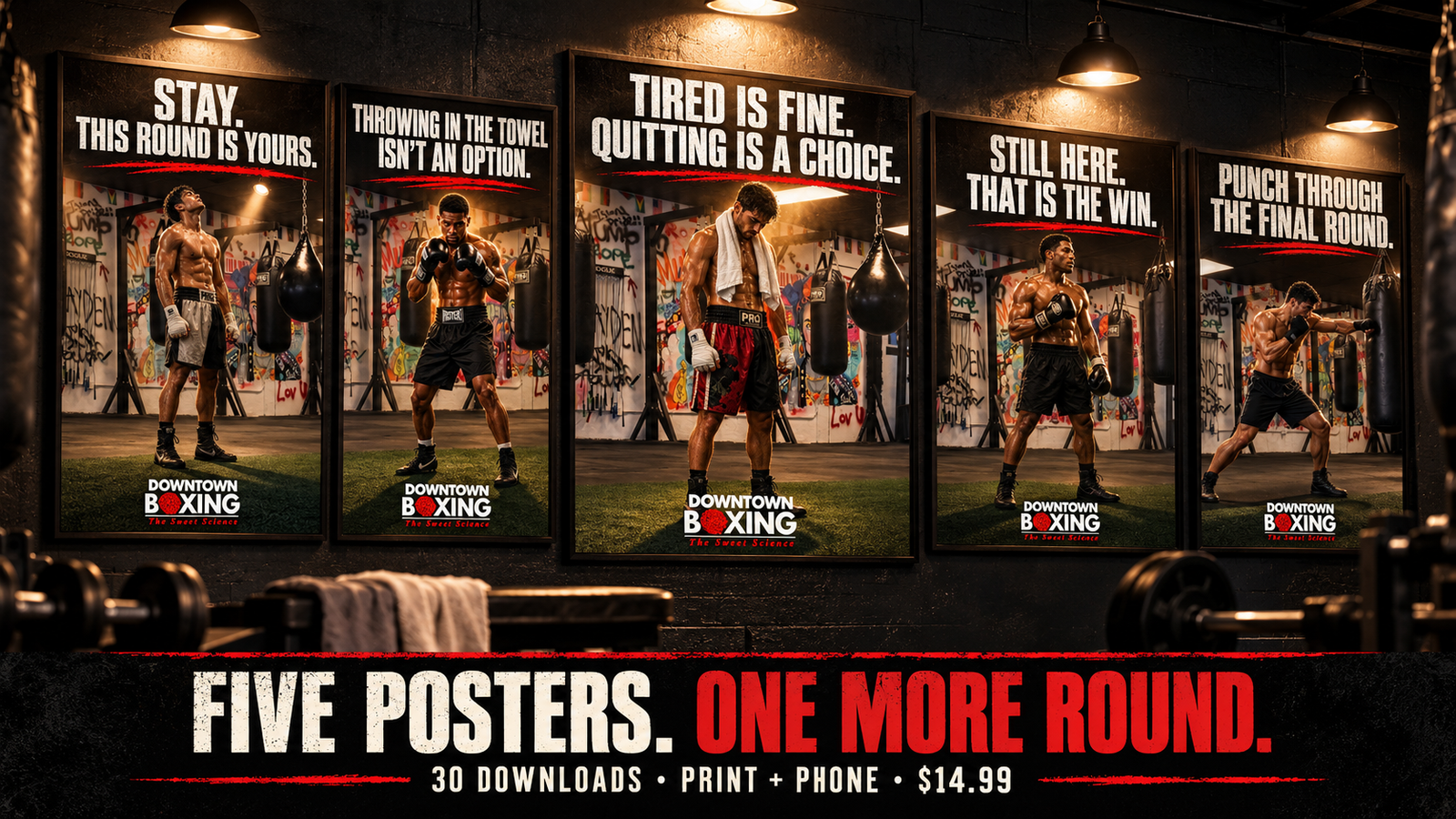
The verified Downtown Boxing Wall Art five-poster bundle is a digital download with six sizes per design. Let visual cues support a routine, not replace practice or coaching.
Disclosure: This is a Downtown Boxing digital product. The promotional link supports the site.
Let dinner close the training day
A useful post-boxing dinner should make the evening simpler. Put protein, carbohydrate, produce, and fluid on the plate in forms you recognize and enjoy. Eat enough to support the work and the person doing it. Notice how the meal fits appetite, digestion, sleep, and tomorrow’s plan, then make one small adjustment if needed. Recovery is usually built from ordinary decisions repeated calmly.
Leave the gym with a plan rather than a debate. Wash the wraps, assemble the plate, drink appropriately, and let the nervous system come down from the round. You do not need to optimize every bite. You need a safe, adequate meal and enough rest to return ready to learn. That is a strong finish to an evening class.
Editorial note: The hero is an original AI-generated image created for this article and reviewed for natural boxing anatomy. Nutrition and safety guidance were checked against the cited USDA, ACSM, and MedlinePlus resources.