
The first ten minutes change the next day
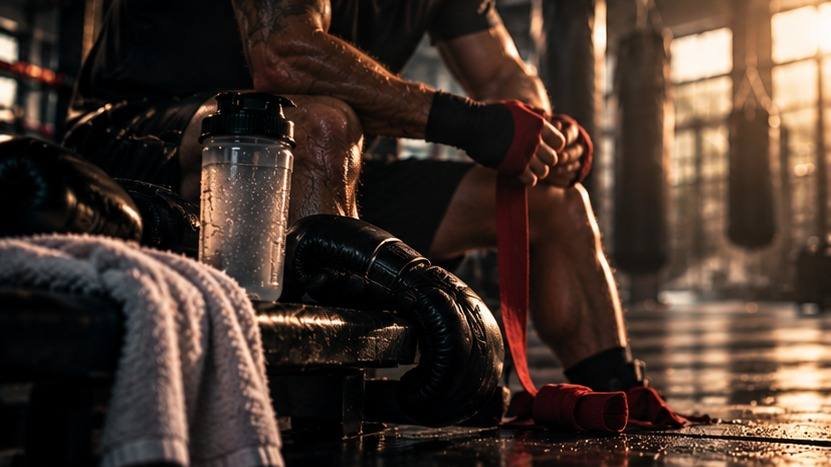
Recovery begins before you leave the gym. The first job is not a complicated routine. It is to bring your system down from training pace. Walk for a few minutes. Let your breathing settle. Loosen the hands after the gloves come off. Give your body a clear signal that the hard part of the session is finished.
Many boxers rush this part because the workout feels complete when the timer stops. Then they sit in the car tight, thirsty, and still breathing hard. A short transition helps you notice how you feel. If something hurts in a way that does not match normal training fatigue, tell a coach rather than trying to stretch through it.
Recovery is part of the work. Ramon, Tyler, and David want you able to return and learn again, not win one night against the heavy bag and lose the rest of the week.
Try this
- Walk or move easily for three to five minutes.
- Let your breathing settle.
- Take off wraps and check hands and wrists.
- Tell a coach about pain, dizziness, or anything unusual.
Replace fluid before you forget
Clearwater heat changes how a normal session feels. You do not need a complicated hydration formula for every class, but you do need a habit. Drink water after training and keep drinking with the next meal. If you sweat heavily or trained for a long session, food and fluids containing sodium and other electrolytes can help replace what you lost.
The useful question is not how much you force down in one minute. It is whether you reach the next part of your day still playing catch up. Pale yellow urine later in the day is one sign many people use to judge hydration, though needs vary. If you have a medical condition affecting fluid or sodium, follow your clinician’s guidance.
Keep the process simple. Put the bottle where you see it. Pair drinking with removing gloves, changing clothes, and eating.
Try this
- Drink water before leaving the gym.
- Keep a second bottle for the next hour.
- Eat a normal meal with salt unless your clinician told you otherwise.
- Use the same routine after every hard session.
Eat a recovery meal, not a perfect meal
Your next meal should help replace energy and provide protein for repair. It does not need to look like a fitness advertisement. Rice, potatoes, oats, fruit, bread, beans, eggs, fish, chicken, yogurt, milk, and other foods you tolerate can all fit. Build the meal around protein, carbohydrate, fluid, and enough food to support training.
The existing Boxing Lab nutrition post covers before and after training in a broad way. This routine is narrower. The goal is to decide what happens in the first hour so you do not reach late evening hungry and underfed. Have two or three default meals you know how to make or buy.
If you are trying to change body weight, do not turn the post training window into punishment. Consistency across the week matters more than skipping one meal after a hard class.
Try this
- Choose two post training meals you can repeat.
- Include protein and carbohydrate.
- Eat within a time window that fits your appetite and schedule.
- Prepare the easy option before training when possible.
Downshift the joints that worked hardest
Boxing asks repeated work from the calves, hips, trunk, shoulders, forearms, and hands. After the session, gentle movement can feel better than aggressive stretching. Move the shoulders through comfortable ranges. Open and close the hands. Walk. Use easy calf and hip motion. Nothing should feel like another workout.
Do not chase soreness with painful stretches. Training does not require you to force every tight area. If a joint is swollen, sharp, unstable, or losing normal function, that deserves attention rather than more pressure.
Think of the first hour as a bridge from training to the rest of life. The cleaner the transition, the less likely you stay wound up for hours.
Try this
- Move each major area through a comfortable range.
- Keep the effort low enough to breathe normally.
- Stop any movement that creates sharp pain.
- Save longer mobility work for a separate easy session.
Set up tonight before the evening gets away
Sleep is one of the main recovery tools, but the first hour after training still matters because it sets the evening. Put wet gear where it can dry. Repack wraps, gloves, and clothes. Decide when you need to eat next. If you train late, reduce the amount of stimulation you bring home. Bright screens, work stress, and a large late caffeine dose can make the transition harder.
You do not need to make the night perfect. You need fewer avoidable problems. A bag packed now removes one decision tomorrow. Food planned now reduces the chance of replacing dinner with snacks. A shower and a set bedtime help the body recognize the pattern.
Recovery works best when it is simple enough to repeat every time you train.
Try this
- Unpack and dry gear as soon as you get home.
- Plan the next meal and breakfast.
- Set a bedtime target that gives you enough sleep opportunity.
- Write one line about how the session felt.
Make recovery part of training
Train the idea with coaching, then judge it by cleaner rounds. See the schedule, review membership, or keep learning in The Boxing Lab.
Downtown Boxing, 936 Cleveland St, Ste C, Clearwater, FL 33755.