
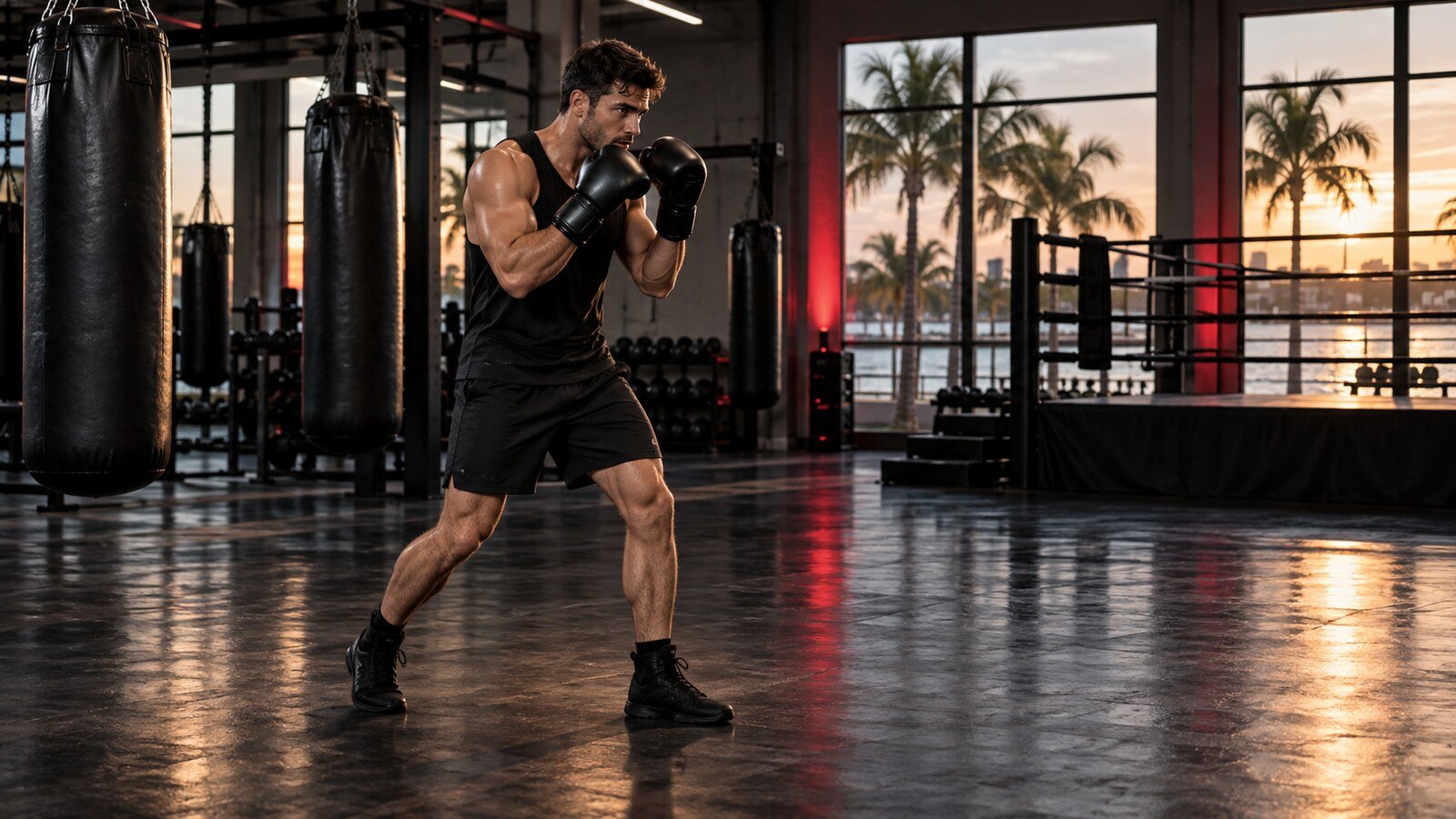
Why the Final Five Minutes Matter
Beginners often treat the bell as a hard stop. The last combination lands, the gloves come off, and the body moves straight from effort to the car. A better habit is to give training a short landing zone. Five organized minutes help the boxer lower the pace, notice how the session felt, and leave the gym with breathing and movement under control instead of carrying the final round into the rest of the day.
A cooldown is not a punishment round and it is not extra conditioning. It is a deliberate change from hard work to easy work. The boxer keeps moving, but the movements become smaller, quieter, and easier to repeat. That shift gives a coach useful information too. If balance, breathing, or discomfort changes when intensity drops, the final minutes can reveal what the hard rounds were hiding.
What a Boxing Cooldown Can and Cannot Do
A cooldown can help you transition from a high training effort to a calmer state. It can restore a steady rhythm, give the shoulders and hands a gentle range of motion, and create time to check for soreness or irritation. It also provides a clean end point for the session, which makes training feel organized rather than rushed. Those benefits come from attention and gradual reduction, not from chasing a dramatic stretch.
A cooldown cannot erase poor sleep, replace food and fluids, or guarantee that soreness will disappear. It does not fix an injury. Sharp pain, dizziness, chest discomfort, confusion, or unusual shortness of breath deserves immediate attention from a coach and appropriate medical help. The five-minute plan is for a normal transition after training, not a reason to ignore warning signs or keep moving through a problem.
Minute One: Walk and Let the Effort Drop
Start by walking slowly along the edge of the training area. Keep the path clear of bags, ropes, and other athletes. Let the arms hang naturally for a few steps, then bring the hands loosely toward guard. The goal is not perfect posture. The goal is to reduce effort while remaining upright and aware. Breathe without forcing a giant inhale, and let each exhale become a little less hurried.
Use a simple check: can you walk, look around, and speak a short sentence without rushing the words? If not, keep the pace easy and give the body more time. Avoid dropping onto a bench immediately unless a coach tells you to sit for safety. Gentle walking maintains an orderly transition and helps you notice whether the room feels steady, your breathing is improving, and your legs are supporting you normally.
Minute Two: Rebuild a Quiet Stance
Move into an orthodox stance with the left foot forward and the right foot behind. Keep the stance comfortable, not exaggerated. The knees stay soft, the head remains between the feet, and the hands rest in a light guard. Take one small step forward, stop, and return. Then take one small step back. Every movement should finish in a stance you could hold without an extra hop.
This is a reset, not a footwork test. Use about half the speed of your easiest technical round. Feel the lead foot accept the forward step and the rear foot restore stance width. Moving back, let the rear foot start and the lead foot follow. Quiet feet and an easy jaw are better signals than distance. If the legs feel unstable, shorten the step and tell the coach what you notice.
Minute Three: Shadowbox at Conversation Pace
Add only a jab, a step, and a guarded return. The jab travels straight but stops short of a hard snap. The shoulder turns naturally, the elbow stays controlled, and the hand comes home without squeezing the glove. After one jab, take a breath and move one small step. Imagine a target, but do not chase it. Your posture should remain tall enough that the next action always feels optional.
Conversation pace means the work is easy enough that you could answer a coach with a short sentence. It does not mean careless technique. Keep the chin tucked, eyes forward, and rear hand near the cheek. Use relaxed rounds of ten to fifteen seconds with a brief pause. If the shoulders keep climbing toward the ears, stop punching and return to walking until the upper body settles.
Minute Four: Restore Easy Shoulder and Hand Movement
Lower the gloves and make small shoulder rolls, first backward and then forward. Keep the circles comfortable. Open and close the hands inside the gloves without clenching as hard as possible. Bend and straighten the elbows through an easy range. These movements should feel smooth and controlled. They are not a contest to see how far a tired joint can travel after heavy bag work.
Check the wrists while the gloves are still on. Notice any sharp pain, unusual swelling, or loss of normal movement. After the gloves and wraps come off, look at the knuckles and skin rather than stuffing the gear into a bag immediately. A cooldown creates a quiet moment to catch small problems. Report anything concerning and avoid trying to stretch or shake pain away.
Minute Five: Finish With a Readiness Note
End with three calm breaths and one honest training note. Name the skill that felt most organized, the moment when your breathing changed, or the round when your stance began to narrow. Keep the note specific. Saying the second bag round felt smooth until the last thirty seconds gives more useful information than saying training was good or bad. A coach can work with a clear observation.
Then choose one recovery action for the next hour. Drink the fluid you packed, eat the planned meal or snack, hang the wraps to dry, or set a realistic bedtime. The choice should match the session and the coach’s guidance. This final action connects the gym to the rest of the day. Recovery becomes a routine you can repeat instead of a vague idea you remember only when soreness appears.
Use Breathing as Feedback, Not a Performance
Some boxers turn cooldown breathing into another challenge. They try to take the deepest possible inhale or hold the breath to prove control. A simpler approach works better. Let the breath move in and out without strain. Keep the lips, jaw, and shoulders relaxed. If breathing through the nose feels comfortable, use it. If it does not, do not force it while the body is still settling.
Watch the trend rather than counting a perfect pattern. Breathing should gradually feel easier, speech should become more comfortable, and the urge to gulp air should decrease. Exhale during the relaxed jab and avoid holding the breath during steps. If breathing stays unusually difficult or becomes worse after effort stops, tell the coach immediately. Cooldown observations are useful only when they are honest.
Do Not Turn Stretching Into Another Hard Round
Long, aggressive stretches can feel productive because they create a strong sensation. Right after training, stronger is not automatically better. Use gentle positions that do not cause pain, shaking, or numbness. A light calf stretch, an easy chest opening, or a comfortable hip position may fit the plan, but the boxer should be able to breathe and exit each position without struggling.
Stretch only the areas that feel appropriate and follow coaching guidance. Do not bounce, force a tired shoulder behind the body, or pull hard on the neck. Mobility can also come from easy movement instead of a fixed stretch. Small arm circles, controlled ankle motion, and relaxed stance steps often give enough range for a five-minute transition. Save longer mobility work for a planned session.
Handle Florida Heat With a Practical Fluid Plan
Clearwater heat and humidity can raise the cost of a boxing session, even inside a gym. Start the cooldown by moving toward a cooler, well-ventilated area without blocking active training space. Use the drink you brought rather than waiting until the drive home. Small, comfortable sips are easier to manage than forcing a large amount at once, especially when the final round was demanding.
Hydration starts before class and continues after it. The five-minute cooldown is a checkpoint, not the entire plan. Notice thirst, heavy sweating, headache, nausea, chills, or unusual fatigue and report concerns. Your needs depend on the session, environment, body size, health, and guidance from qualified professionals. Avoid copying another athlete’s exact intake simply because the person trained beside you.
Cool Down After Heavy Bag Work
Heavy bag rounds can leave the hands closed tightly, shoulders elevated, and weight drifting toward the target. Begin the cooldown by stepping away from the bag and reclaiming personal space. Walk, shake the arms gently, and rebuild stance without contact. Then shadowbox one light jab at a time. The absence of impact lets you check whether the hand can return without the bag pulling your posture forward.
Keep the final punches well below training power. A cooldown is not the moment to sneak in one last hard combination. Pay attention to the wrists, elbows, and shoulders as the gloves travel. When the gear comes off, unroll wraps instead of yanking them from the hands. Let damp wraps dry fully, and clean shared or personal equipment according to gym rules.
A Five-Minute Cooldown You Can Repeat
Start your first minute with an easy walk around a clear part of the gym. Let the hands relax and allow your breathing to settle without forcing a dramatic inhale. If your heart is still racing after bag work, the walk should feel noticeably easier than your last round. You should be able to speak without fighting for every word. Do not rush to sit or bend over just because the bell has rung. Keep your path out of the way of people still sparring, jumping rope, or working on their footwork.
During minute two, return to your boxing stance at a comfortable pace. Step forward, backward, and sideways in short movements. Keep both feet under you, the knees comfortable, and the shoulders loose. You are not scoring points now. This is a chance to see whether your stance still feels natural after the tougher rounds. If you notice yourself stumbling, slow the feet rather than trying to hide fatigue by speeding up. End the minute standing balanced, not posed for a photograph.
For the third minute, shadowbox with very light movements. Throw a relaxed jab, return the hand to guard, and pause long enough to check your position. Add a gentle cross only if it feels easy and controlled. The goal is to reduce intensity, not sneak another round into the session. Keep your neck relaxed and your eyes level. If your technique feels scattered, leave the punches out and continue walking. A simple cooldown completed well is better than an impressive-looking routine done while exhausted.
Use minute four for comfortable mobility. Roll your shoulders gently, open and close your hands, and move the ankles through an easy range without bouncing or forcing a stretch. If your calves or upper back feel tight, make small controlled movements instead of pulling hard on sore tissues. Any sharp pain is a reason to stop that movement and ask a coach or health professional for guidance. Your cooldown should never become a contest to see who can stretch farthest.
In minute five, put your equipment away and make a quick mental note about training. Choose one success, such as keeping the feet under you for a full round, and one small skill to revisit next time. Drink water according to your thirst and the conditions of the session. If you have felt dizzy, faint, unusually breathless, or otherwise unwell, tell the coach rather than assuming the feeling is normal fatigue. Finishing responsibly is part of becoming a dependable training partner.
Adjust the Finish to the Session
A light technique day may need only a short walk and a few calm stance checks. A demanding circuit or several hard rounds may call for extra time at an easy pace before you feel ready to leave. Five minutes is a practical template, not a rigid promise that every person recovers on the same clock. Heat, fitness, medication, illness, sleep, and individual health all affect how the body responds. Coaches should encourage beginners to report unusual symptoms, and athletes should seek medical attention for warning signs rather than treating them as a normal part of boxing.
Partners can help each other protect the quiet finish. Avoid asking an exhausted beginner to hold pads for one more round or challenging someone to a last-minute sprint. Return shared equipment where it belongs, wipe down surfaces as directed, and give other members room to finish their own work. The final minutes are also a good moment to thank the person who held your mitts or corrected your stance. A boxing gym runs better when the hard work is followed by consideration.
The biggest benefit of a repeatable cooldown is consistency. You do not need special equipment, a complicated checklist, or a dramatic recovery ritual. You need a clear path, a gentle transition from effort to easy movement, and enough attention to recognize what your body is telling you. Practice that finish after every session until it feels as ordinary as putting on your wraps. A good training habit should work on your tired days, not only when motivation is high.
Finish Training With a Plan
Review the Downtown Boxing programs, compare membership options, or contact the Clearwater gym to ask about beginner boxing training.